
Self-Ligating vs. Traditional Braces: Which is the Right Option?
Choosing to straighten your teeth is an exciting step toward better oral health and a confident smile. However, when you start exploring your choices for orthodontic treatment in Singapore, you might quickly feel overwhelmed by the options available. Two of the most reliable solutions available today are traditional braces and self-ligating braces.
While both systems effectively align crooked teeth and fix complex bite issues, they operate using different mechanisms, comfort levels, and appointment schedules. Understanding how these two options compare will help you select the best treatment plan for your lifestyle, dental goals, and personal preferences.
What Are Traditional Braces?
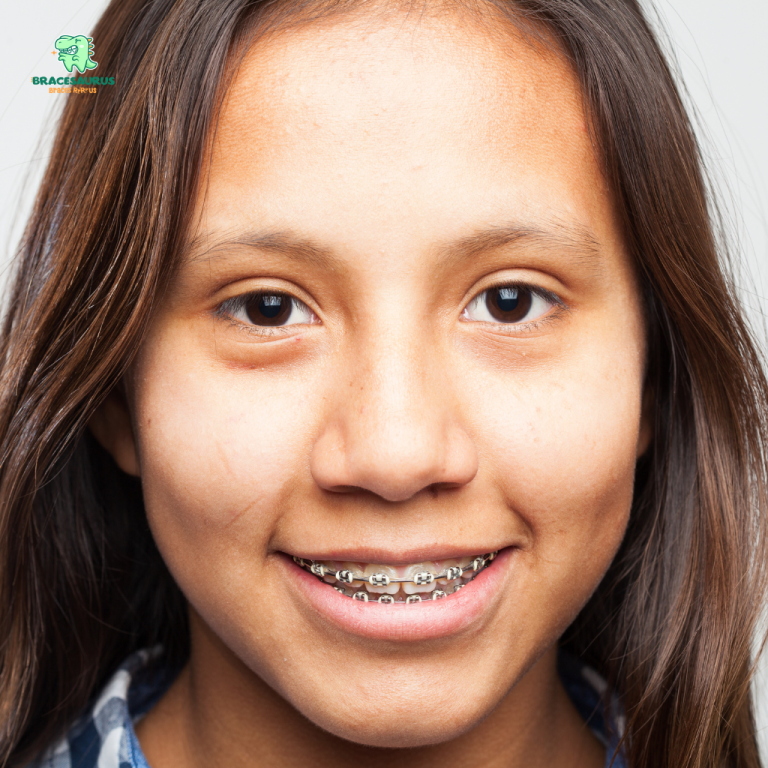
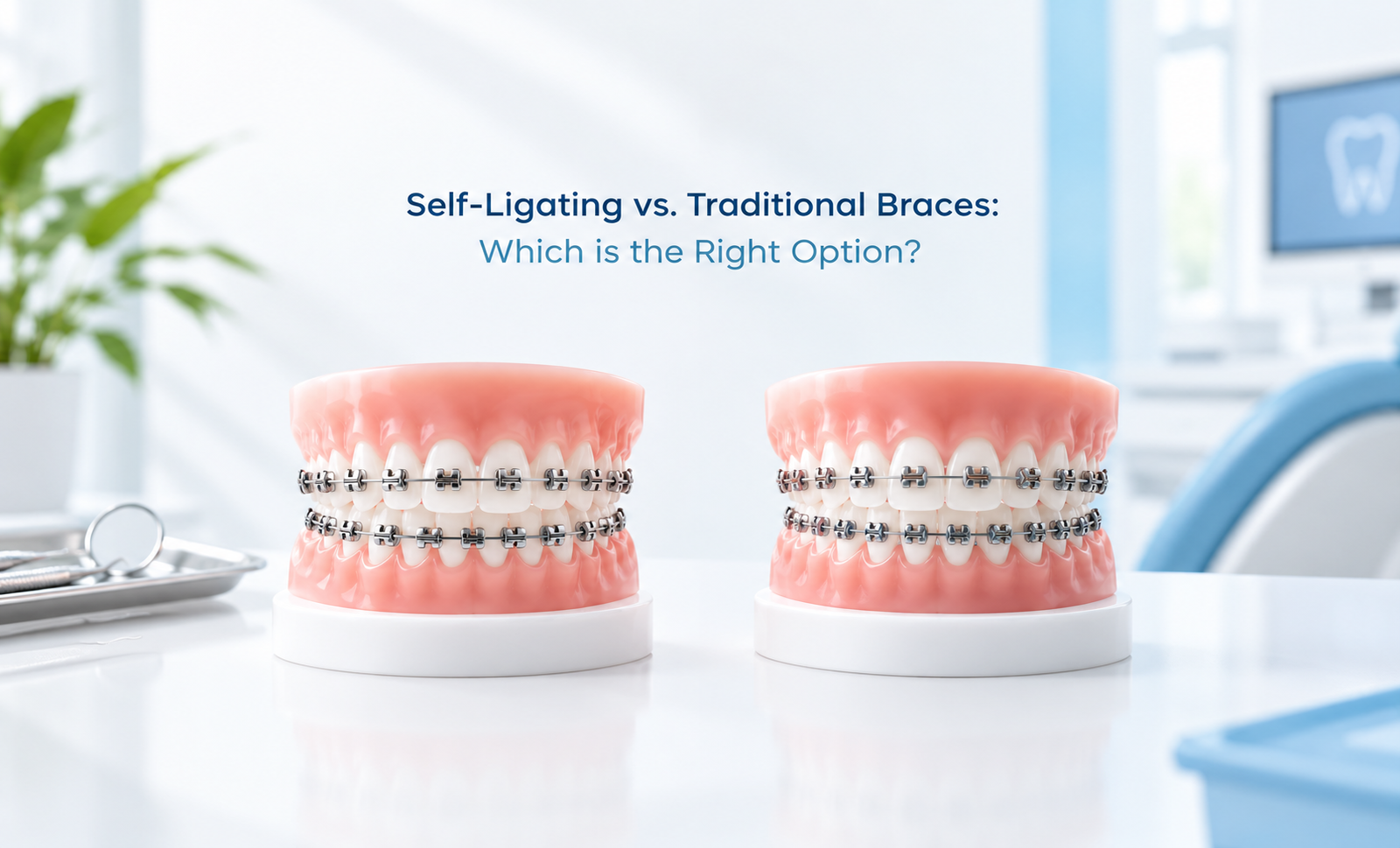
Traditional braces remain the most time-tested and widely used methods for moving teeth into proper alignment. This system relies on three primary components: stainless steel brackets bound to the front of each tooth, a flexible metal archwire that runs across the arch, and small elastic rubber bands (ligatures) that hold the wire securely inside each bracket slot.
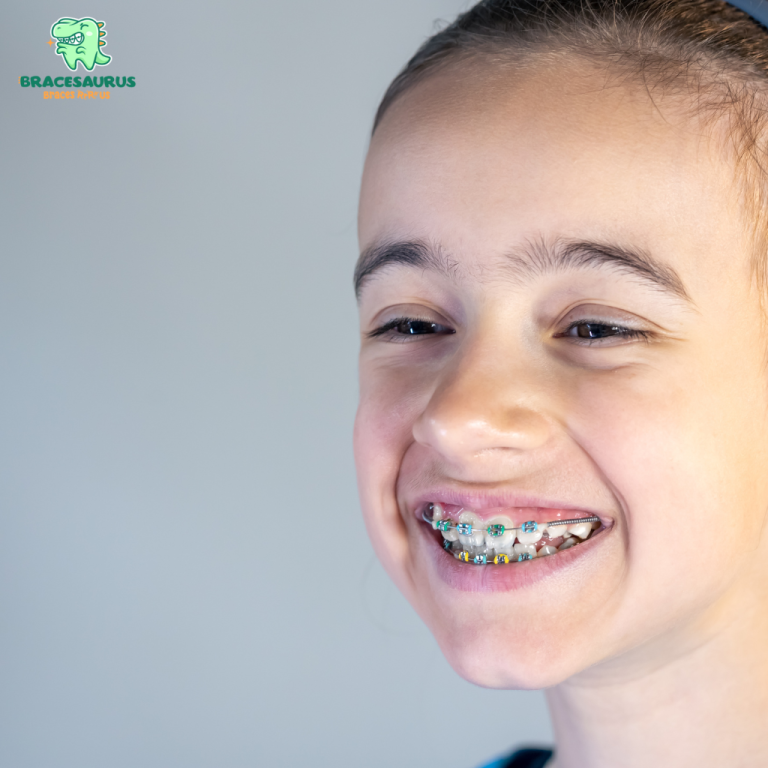
When you choose traditional metal braces in Singapore, your orthodontist tightens or changes the archwire during routine visits. This wire applies continuous, gentle pressure to shift your teeth into position. A popular feature of traditional braces, especially for younger patients, is the ability to choose colorful rubber bands at every adjustment visit to personalize your smile.
What Are Self-Ligating Braces?
Self-ligating braces look similar to standard braces at first glance, but they function using an updated mechanical design. Instead of using tiny rubber bands to hold the archwire in place, self-ligating brackets feature a built-in metal clip or sliding door mechanism that opens and closes to secure the wire.
Because there are no elastic ties holding the wire tight against the bracket, the wire glides back and forth with significantly less friction. This sliding action allows teeth to move smoothly into alignment. Patients can choose between metal self-ligating brackets or clear ceramic versions for a less noticeable look during treatment.
Key Differences: Self-Ligating vs. Traditional Braces
When deciding between traditional and self ligating braces in Singapore, patients often weigh several practical factors:
1. Comfort and Friction
As the self-ligating systems eliminate rubber bands, the archwire experiences far less friction inside the bracket slot. This reduction in resistance leads to lighter pressure on the teeth, which can translate to less soreness after adjustments. Traditional braces, while very effective, rely on elastic ties that create firmer pressure against the wire.
2. Hygiene and Maintenance
Keeping your teeth clean while wearing braces requires effort. Elastic bands on traditional braces in Singapore can trap plaque and food particles easily, requiring careful brushing and flossing around every bracket. Self-ligating brackets lack rubber ties, making them easier to clean with standard toothbrushing tools and reducing overall plaque buildup.
3. Treatment Speed and Clinic Visits
While total treatment duration depends mostly on case complexity rather than bracket type, self-ligating systems streamline chair time. Changing archwires is faster because the specialist simply opens and closes the bracket doors instead of removing and replacing individual elastic ties. Additionally, wire adjustments are often spaced farther apart.
4. Aesthetic Appearance
Standard metal braces use elastic bands that can discolor over time, especially if you consume coffee, tea, or curry. Self-ligating brackets do not use elastics, so your braces maintain a clean look throughout your care. For an even more subtle appearance, ceramic self-ligating brackets blend seamlessly with your natural tooth shade.
Understanding Traditional Braces Cost vs. Self-Ligating Braces
When considering your treatment options, understanding financial investment plays an important role. Generally, traditional braces cost less overall because the materials and manufacturing process for standard brackets are simpler. Standard metal brackets have been produced for decades, making them a cost-effective option for many families.
On the other hand, the self-ligating braces cost reflects the advanced engineering and specialized clip mechanisms built directly into each bracket. While self-ligating hardware represents a higher investment, many patients find that the added physical comfort, easier oral hygiene, and faster clinic visits make it a valuable choice for their orthodontic journey.
Comparing Traditional and Self-Ligating Braces
Feature | Traditional Braces | Self-Ligating Braces |
Wire Retention System | Elastic rubber bands (ligatures) | Built-in sliding clip or door mechanism |
Friction Level | Higher friction due to elastic ties | Lower friction allowing freer wire movement |
Ease of Cleaning | Requires extra effort around elastics | Easier to brush due to fewer plaque traps |
Adjustment Time | Requires replacing individual bands | Quick opening and closing of bracket doors |
Aesthetics | Customizable band colors; elastics can stain | Sleeker profile; no elastic bands to discolor |
Hardware Investment | Budget-friendly standard hardware | Premium hardware due to advanced clip design |
What to Expect During Your Orthodontic Journey
Regardless of the bracket system you choose, receiving treatment follows a structured, step-by-step path:
- Initial Consultation and Assessment: Your braces specialist in Singapore conducts a thorough examination, takes digital X-rays, 3D intraoral scans, and clinical photographs to evaluate your tooth alignment and jaw structure.
- Tailored Treatment Planning: Your specialist presents a customized plan detailing movement phases, expected timeline, and whether traditional or self-ligating brackets suit your dental needs best.
- Appliance Fitting: Brackets are precisely bonded to the surface of your teeth, and the initial archwire is placed to start guided movement gently.
- Periodic Adjustments: You visit your clinic regularly so your specialist can monitor progress, change archwires, and make minor modifications.
- Retention Phase: After your braces come off, custom retainers are fitted to hold your teeth in their new positions permanently.
Transform Your Smile with BRACESAURUS
Choosing the best braces in Singapore has to offer personalized care, expert guidance, and transparent, flexible payment plans tailored to your budget. At BRACESAURUS, our entire practice focuses exclusively on orthodontic care, ensuring your treatment is managed directly by a dedicated specialist from start to finish.
We believe high-quality orthodontic care should be accessible and straightforward for every patient. That is why we provide clear, structured payment options with no hidden fees or unexpected costs. Whether you choose reliable traditional metal braces or smooth, modern self-ligating options, our team guides you through every step in a comfortable, welcoming environment. Visit BRACESAURUS today to discover our affordable treatment options. With our transparent pricing and invisible braces solutions, we make achieving your dream smile easier than ever. Schedule your personalized consultation now and take the first step toward a healthy, beautifully aligned smile!
FAQ's
Self-ligating braces shorten individual adjustment visits because opening clips takes less time than changing elastics. However, overall treatment duration depends mainly on your specific jaw structure and tooth alignment.
Many patients report less initial pressure with self-ligating braces because the sliding mechanism reduces friction against the wire. However, mild temporary soreness after adjustments is normal with both systems.
Yes. Ceramic self-ligating braces use clear or tooth-colored brackets with smooth clip mechanisms, combining the subtle look of clear braces with the low-friction benefits of self-ligating hardware.
Traditional braces typically require clinic visits every 4 to 6 weeks so your orthodontist can replace worn elastic ties and adjust the wire to keep teeth moving steadily.
Consider your budget, daily hygiene habits, and comfort preferences. Traditional braces offer maximum overall affordability, while self-ligating braces offer easier daily cleaning, fewer plaque traps, and quicker adjustment visits.