
Can Braces Affect Your Diet or Eating Habits? What to Know
Getting braces is an important step toward a healthier, more confident smile, but it also comes with lifestyle adjustments, especially when it comes to food. Many patients at BRACESAURUS ask whether braces will change how they eat, what foods they must avoid, and how long these changes last. The short answer is yes, braces can affect your diet, but with the right guidance, the transition is manageable and temporary.
This article explains how braces influence eating habits, what foods to avoid or enjoy, and how to maintain oral health throughout treatment.
How Braces Change the Way You Eat
Braces work by applying continuous pressure to move teeth into better positions. During this process, your teeth and gums may feel tender, especially after adjustments. This sensitivity naturally affects food choices, particularly in the early stages of treatment.
Patients undergoing braces orthodontics often notice that they chew more slowly, choose softer foods, and become more mindful of how they bite. These changes are normal and usually improve as your mouth adapts.
Foods to Avoid With Braces
Certain foods can damage brackets, bend wires, or make cleaning more difficult. Avoiding these items reduces the risk of breakages and keeps treatment on track.
Hard Foods
- Nuts
- Ice
- Hard candies
- Raw carrots
Sticky Foods
- Chewing gum
- Caramel
- Toffees
- Sticky rice cakes
Crunchy or Chewy Foods
- Popcorn
- Hard crusty bread
- Corn chips
Biting into hard foods can loosen brackets, while sticky foods may pull them off entirely. Repairs can delay progress and increase discomfort.
Foods You Can Enjoy With Braces
The good news is that many nutritious and satisfying foods are braces-friendly, especially when prepared correctly.
Soft Foods
- Rice and noodles
- Scrambled eggs
- Mashed potatoes
- Tofu
Protein Options
- Fish
- Minced meat
- Chicken cut into small pieces
Fruits and Vegetables
- Bananas
- Soft mangoes
- Steamed vegetables
Cutting food into smaller portions and chewing with back teeth helps reduce strain on braces.
Eating After Braces Adjustments
After monthly adjustments, mild soreness is common for a few days. During this time, softer foods are recommended. Soups, smoothies, porridge, and yogurt are popular choices. Avoid extremely hot or spicy foods if your gums feel sensitive.
Listening to your body is key. If chewing feels uncomfortable, switch temporarily to softer textures until soreness subsides.
Do Clear Braces Affect Diet Differently?
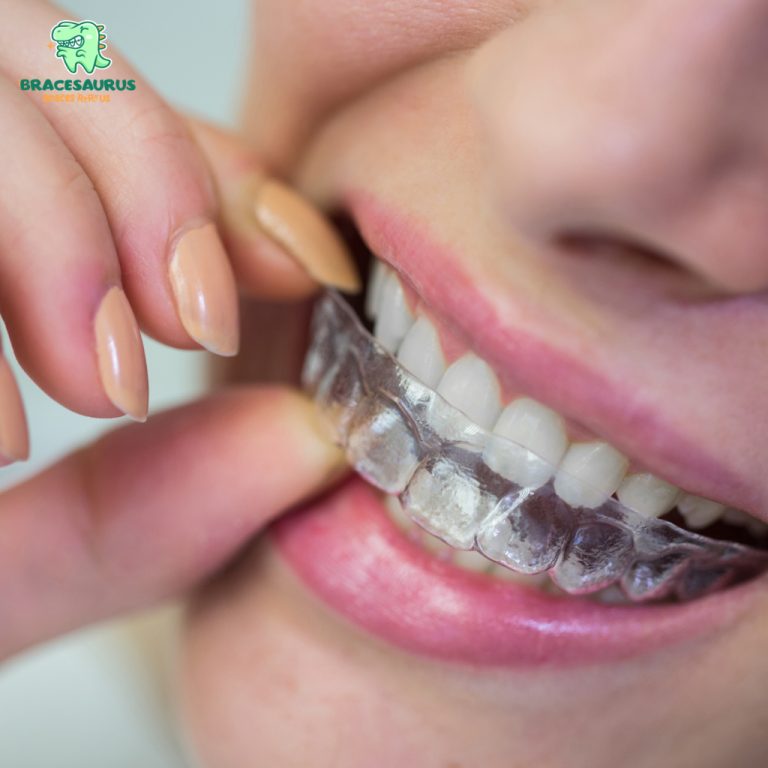
Patients using clear braces or clear braces in Singapore may experience slightly different dietary flexibility. Fixed clear braces follow similar food restrictions as metal braces, since brackets remain attached to teeth.
However, removable systems allow patients to eat normally once the appliance is removed. That said, consistency is essential, aligners must be worn as instructed to ensure progress. Poor compliance can extend treatment time.
Oral Hygiene and Eating With Braces
Food tends to get trapped more easily around brackets and wires, making oral hygiene even more important. Brushing after meals helps prevent plaque buildup and staining.
Professional teeth cleaning singapore services are highly recommended during braces treatment to maintain gum health and prevent decay. Patients should also floss daily using orthodontic floss or water flossers.
Maintaining good oral hygiene supports smoother treatment and reduces the risk of complications.
Will Braces Change Your Eating Habits Long-Term?
In most cases, dietary changes are temporary. Once braces are removed, patients gradually return to normal eating habits. Many people even report healthier eating patterns, as braces encourage mindful chewing and reduced snacking on sugary or hard foods.
Over time, the benefits of straight teeth, better chewing efficiency and improved bite balance, often make eating more comfortable than before treatment.
Diet Tips for a Smooth Braces Journey
- Cut food into small pieces
- Avoid biting directly with front teeth
- Choose nutrient-rich soft foods
- Drink plenty of water after meals
- Clean your teeth thoroughly after eating
These habits not only protect your braces but also support overall oral health.
Why Professional Guidance Matters
Choosing a clinic that offers comprehensive Dental services for braces ensures you receive proper dietary advice, hygiene guidance, and regular monitoring. At BRACESAURUS, patients are educated on food choices and oral care at every stage of treatment.
With the right support, braces become a manageable part of daily life rather than a restriction.
Eat Smart, Smile Confidently With BRACESAURUS
Adjusting your diet during braces treatment is temporary, but the results last a lifetime. At BRACESAURUS, we provide expert orthodontic care, clear guidance, and personalised support to help you adapt comfortably. Whether you choose fixed systems or braces aligners, our team ensures you receive some of the best braces solutions available, designed for comfort, efficiency, and long-term success. Start your journey with the Best Teeth braces in singapore and experience orthodontic care that fits seamlessly into your lifestyle.
FAQ's
Yes, you can continue to enjoy most of your favourite foods while wearing braces. However, hard, sticky, and very chewy foods should be avoided as they can damage brackets or wires. Cutting food into smaller pieces and chewing slowly helps protect your braces and reduces discomfort.
It is normal to experience soreness or tenderness for about 3–5 days after braces are placed or adjusted. This happens because your teeth are responding to pressure. Eating soft foods and using mild pain relief, if needed, can help during this period.
Braces do not usually cause pain, but you may feel mild discomfort initially or after adjustments. This improves as your mouth adapts, and most patients return to normal eating quickly.
No. Fixed braces require more food restrictions, while removable systems offer greater flexibility since they can be taken out during meals.
Brush after every meal, floss daily using orthodontic tools, and schedule regular professional cleanings to maintain healthy teeth and gums.