
Do Teeth Gaps Affect Oral Hygiene? Causes, Risks and Treatment Options
Teeth gaps are common and may appear between any two teeth. A small space may not cause problems, but larger or multiple gaps can sometimes affect how easily you clean your teeth. Food particles can become trapped in these spaces, making proper oral hygiene more challenging.
For some people, gaps are mainly a cosmetic concern. For others, they may be linked to missing teeth, gum problems, tooth size, or the way the teeth and jaws have developed. Understanding the reason behind a gap is important before choosing a treatment.
At BRACESAURUS, orthodontic assessment can help determine whether a gap requires treatment and which approach may be suitable.
What Are Teeth Gaps?
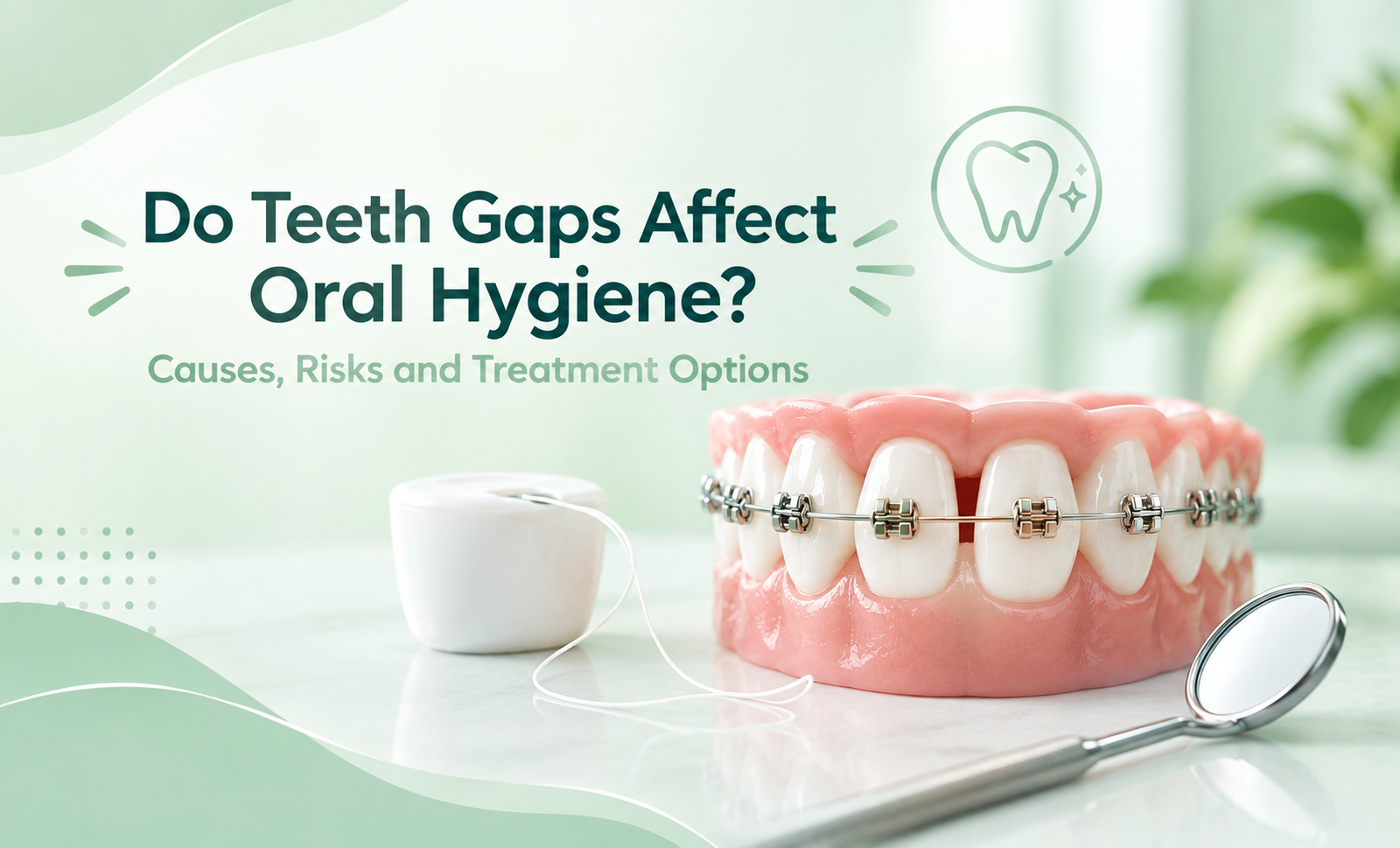
A gap between two teeth is commonly called a diastema. It can occur anywhere in the mouth, although gaps between the upper front teeth are particularly noticeable. Some gaps are naturally present and may not affect oral health. However, the size and location of the gap can influence how food moves around the teeth and how easily you can clean the surrounding areas.
A gap may also change over time. For example, a space that was previously small may become larger because of changes involving the gums, teeth, or supporting bone.
What Are the Causes of Gaps Between Teeth?
There are several causes of gaps between teeth, and identifying the underlying reason is an important part of treatment planning.
Small or Undersized Teeth
Sometimes the teeth are smaller compared with the size of the jaw. This creates extra space between neighbouring teeth.
Missing Teeth
A missing tooth naturally leaves a space. Nearby teeth may gradually move towards the empty area, changing the alignment of the surrounding teeth.
Gum Disease
Gum disease can affect the tissues and bone supporting the teeth. In more advanced cases, teeth may become loose or shift position, resulting in new or widening gaps.
Oral Habits
Certain habits, particularly during childhood, can influence tooth position. Thumb sucking and tongue thrusting may contribute to spaces developing between teeth.
High Frenum Attachment
The frenum is the small fold of tissue connecting the lip to the gum. In some individuals, its attachment may contribute to a gap between the front teeth.
Natural Tooth Position
Some people simply develop gaps as part of their natural dental alignment. These spaces may not indicate an underlying dental problem.
Can Teeth Gaps Affect Oral Hygiene?
Yes, depending on their size and location. Gaps themselves do not automatically cause poor oral hygiene. However, spaces can create areas where food particles collect.
If food and plaque remain around the teeth and gums, bacteria can contribute to tooth decay and gum inflammation. Regular brushing and cleaning between the teeth are therefore important. Interestingly, crowded teeth can also make cleaning difficult because toothbrush bristles and floss may struggle to reach certain areas. This means both excessive crowding and certain types of spacing can create oral hygiene challenges.
The solution is not simply to close every gap. A dentist or orthodontist should first determine why the gap exists and whether treatment is appropriate.
How Can You Keep Gaps Clean?
Good daily hygiene is important whether you decide to close the spaces or keep them. Brush your teeth twice daily using fluoride toothpaste. Pay attention to the gumline and areas surrounding each gap. Cleaning between your teeth is equally important. Depending on the size of the spaces, dental floss, interdental brushes, or other cleaning aids may be useful.
Regular dental check-ups can also help identify early signs of tooth decay or gum disease. If you notice bleeding gums, persistent bad breath, tooth mobility, or a gap that is becoming larger, seek professional dental advice.
When Should Teeth Gaps Be Treated?
Not every gap requires orthodontic treatment. If the space does not affect your oral health, bite, speech, or appearance, your orthodontist may recommend monitoring it.
Treatment may be considered when:
- The gap is becoming larger.
- Food frequently becomes trapped.
- The gap is related to tooth movement or crowding elsewhere.
- Missing teeth need replacement.
- The space affects your bite.
- You are unhappy with the appearance of your smile.
- Gum disease has contributed to tooth movement.
A professional examination helps determine whether closing the gap is appropriate.
Take the Next Step Towards a Healthier Smile With BRACESAURUS
At BRACESAURUS, every smile is assessed individually before treatment is recommended. Whether you are concerned about appearance, food getting trapped, or changing tooth positions, professional guidance can help you understand your options.
If you prefer a discreet approach, ask whether clear aligners Singapore treatment may suit your case. With specialist care, transparent treatment planning, and affordable options, BRACESAURUS can help you work towards a confident, well-aligned smile.
FAQ's
Teeth gaps can trap food and plaque, which may contribute to bad breath if the areas are not cleaned properly. Good brushing and interdental cleaning can help maintain freshness.
No. Small, natural gaps may not require treatment. An orthodontist can assess whether the space affects oral health, function, appearance, or tooth stability before recommending any treatment.
In suitable cases, braces can close gaps by gradually moving the teeth together. Treatment depends on the cause, size, location, and overall alignment of the patient’s teeth.
No. Clear aligners can treat many spacing problems, but suitability depends on the required tooth movements, bite, complexity, and consistent aligner wear throughout the treatment.
Yes. Teeth can shift after treatment, potentially causing spaces to reopen. Wearing retainers as recommended by your orthodontist helps maintain alignment and minimise unwanted tooth movement.