
How Self-Ligating Braces Can Speed Up Your Journey to a Perfect Smile
Braces treatment in Singapore typically takes between 1 and 2 years, and much of that time is spent waiting for slow, elastic-based adjustments to move teeth into place. This is where self-ligating braces change the equation. Instead of relying on elastic ties that create friction and slow down tooth movement, these braces use a built-in clip to hold the archwire, allowing teeth to shift more freely.
For anyone comparing self-ligating braces treatment in Singapore against traditional options, understanding how this system works can make the decision much easier, and much faster to act on.
What Are Self-Ligating Braces?
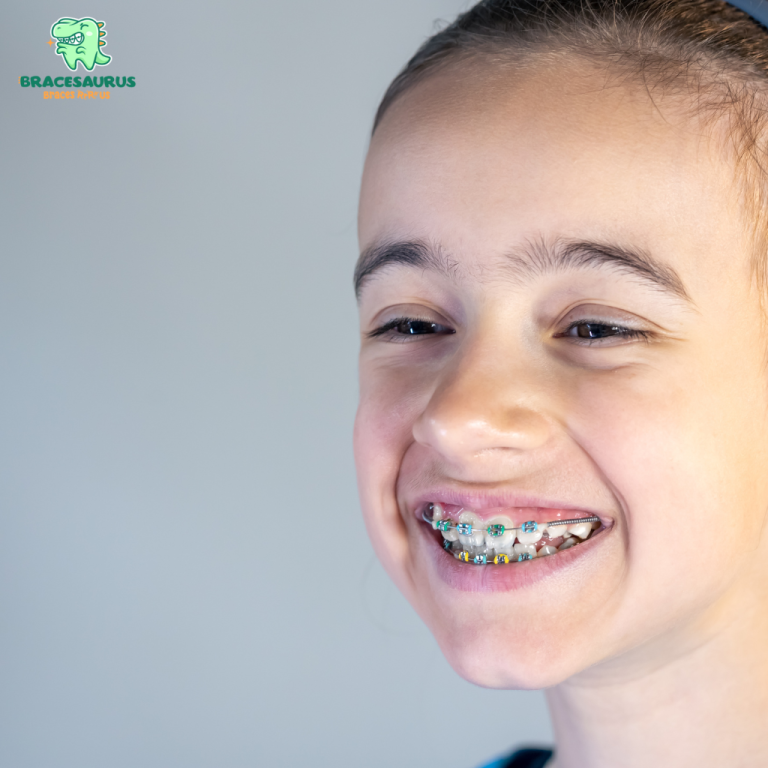
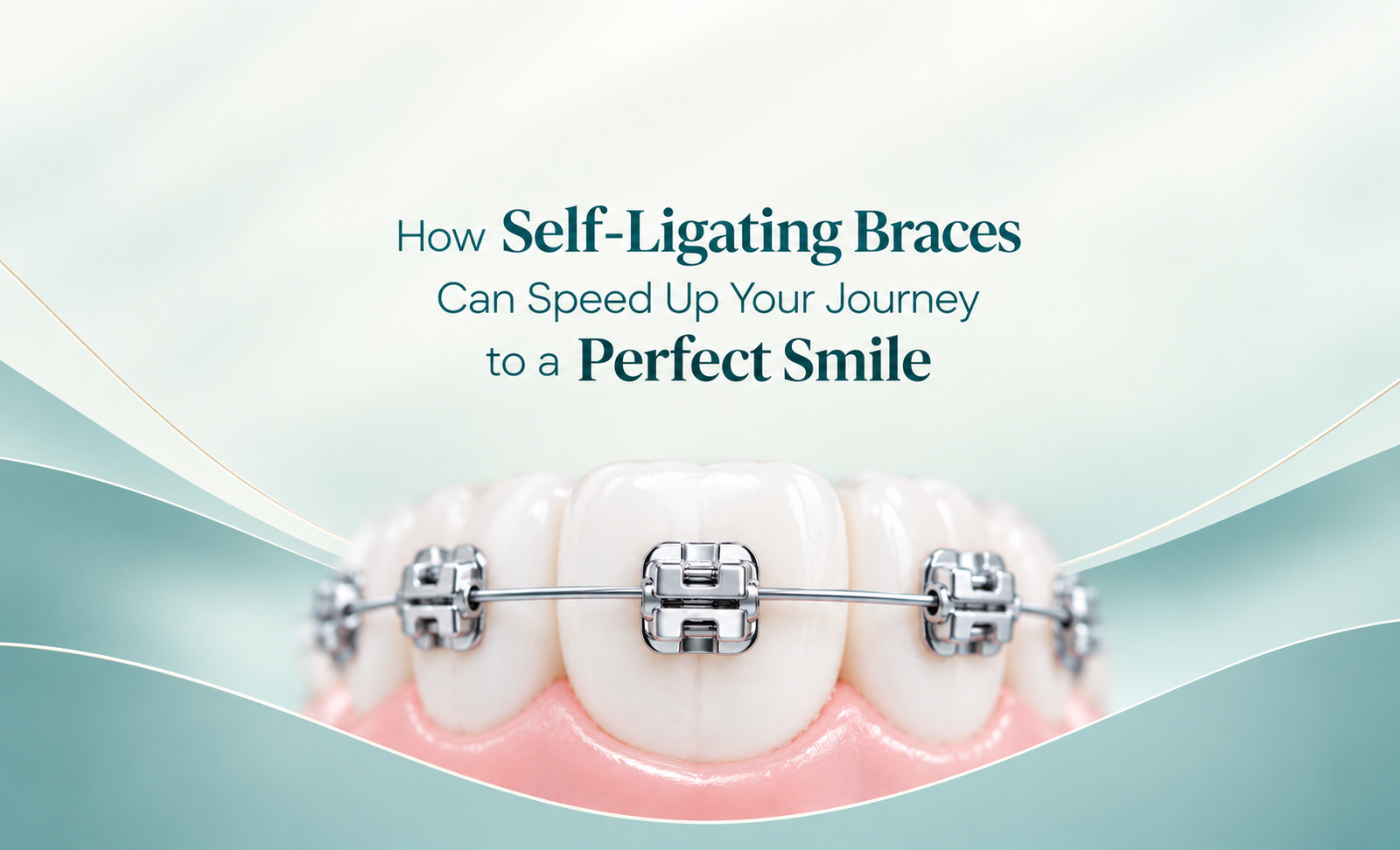
A self-ligating orthodontic brace looks similar to a conventional metal or ceramic bracket, but it works differently. Rather than using coloured elastic bands to hold the archwire against the tooth, each bracket has a small door or clip built directly into it. This clip secures the wire without adding extra pressure.
As there are no elastic ties, these brackets tend to be smaller, less noticeable, and easier to keep clean. Self-ligating systems generally come in two forms:
- Active brackets, which use a spring-loaded clip to actively guide the wire and give the orthodontist precise control over tooth movement.
- Passive brackets, which use a simple slide mechanism that holds the wire loosely, reducing friction for a gentler, more comfortable shift.
Both options work toward the same goal: straighter teeth with less resistance along the way.
How Self-Ligating Braces Speed Up Treatment
This is really the whole point of the system, so it’s worth breaking down properly.
1. Less friction on the archwire
Traditional braces use elastic bands to grip the wire tightly against each bracket. That grip creates friction, and friction slows down how easily a tooth can travel along the wire. Self-ligating clips hold the wire without clamping it down hard, so the wire can slide through the bracket as the teeth shift.
2. A steadier, gentler force
Instead of being held in place by tight elastic tension, teeth respond to a lighter, more consistent pressure. This kind of force is generally considered easier on the tooth roots and more efficient at guiding movement, which is part of why self-ligating systems are linked to faster braces treatment overall.
3. No elastic ties to replace at every visit
Traditional braces need their ties swapped and retightened at each appointment, which takes time and can set treatment back if a tie loosens between visits. Self-ligating brackets skip this step entirely, so there’s nothing to replace besides the archwire itself when it’s due for an upgrade.
4. Quicker, simpler adjustment appointments
Since your orthodontist isn’t spending time changing elastics, each visit moves faster and focuses mainly on checking progress and adjusting the wire.
5. Fewer setbacks between appointments
With no elastic ties that can stretch, discolour, or come loose, there’s less chance of something slipping out of place before your next visit, keeping treatment moving on schedule.
Are Self-Ligating Braces Comfortable?
Comfort is one of the biggest draws. Without elastic ties pulling against the wire, there is generally less pressure on the teeth and gums, and many patients report less soreness after adjustment visits compared to traditional braces. Some mild discomfort is still normal in the first few days after placement or after a wire change, but it typically settles quickly.
What to Expect During Treatment?
A typical self-ligating braces journey follows a clear and structured process for teeth straightening in Singapore:
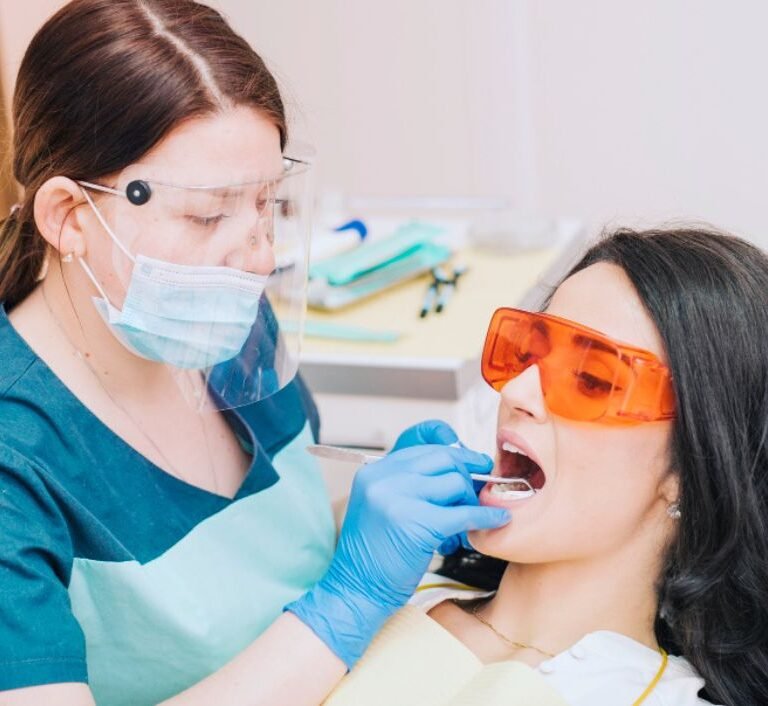
- Initial Consultation – Your orthodontist evaluates your teeth, jaw, and bite to confirm if self-ligating braces are right for you.
- Diagnostics and Scanning – Digital X-rays and scans map out a precise, custom treatment plan.
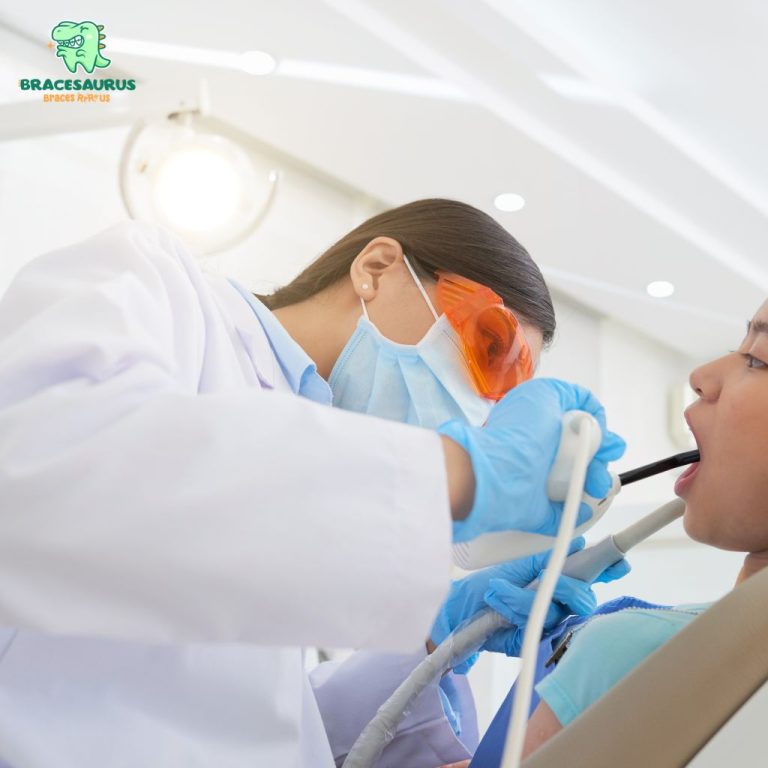
- Fitting the Braces – Brackets are bonded to the teeth, and the archwire is secured through the built-in clips.
- Routine Adjustments – Follow-up visits every six to eight weeks allow the orthodontist to monitor progress and adjust the wire.
- Retention Phase – Once teeth alignment treatment in Singapore is complete, the braces come off and a custom retainer is fitted to hold the results in place.
Understanding the Cost
Self-ligating braces cost in Singapore is generally higher than traditional metal or ceramic braces, largely due to the advanced bracket design and reduced need for adjustments. Exact pricing depends on the complexity of your case, the type of bracket used, and the length of treatment, so a personalised quote from your orthodontist after a proper assessment is the most accurate way to plan your budget.
Ready for a Faster, Smoother Smile Journey?
If you are looking for the best self-ligating braces in Singapore, BRACESAURUS is led by Dr. Wee Teng Yau, an MOH-accredited orthodontic specialist with more than 20 years of clinical experience, including years at the National Dental Centre of Singapore and Mount Elizabeth Medical Centre. As a self-ligating braces orthodontist in Singapore, Dr. Wee offers both metal and ceramic self-ligating options, with every plan personalised to your bite, budget, and lifestyle. BRACESAURUS also offers flexible payment plans, making advanced orthodontic care more accessible without compromising on quality.
Ready to straighten your smile with less friction and fewer visits? Book a consultation with BRACESAURUS today and take the first step toward a faster, more comfortable path to your perfect smile.
FAQ's
Self-ligating braces use built-in clips instead of elastic bands, reducing friction on the archwire. This allows teeth to move more freely, often speeding up overall treatment progress.
Yes, self-ligating braces generally cost more than traditional metal or ceramic braces due to their advanced bracket design. BRACESAURUS provides a personalised quote after assessment.
Most patients return every six to eight weeks for adjustments. Since there are no elastics to replace, these visits are usually quicker than traditional braces appointments.
Yes, self-ligating braces can treat crowding, spacing, overbites, underbites, and crossbites. Suitability is confirmed through a full orthodontic assessment with your specialist.
No, most patients find them more comfortable, since there are no elastic ties adding extra pressure. Mild soreness after placement or adjustments is still normal.